The Allure of Gambling: Understanding Attraction
The attraction to casino games often stems from the thrill associated with the prospect of winning. This excitement is rooted in human psychology, particularly in the way our brains reward us for taking risks. When players engage in gambling, their brains release dopamine, a neurotransmitter associated with pleasure and reward. This biological response enhances the overall experience, making it hard to resist the allure of the next big win, especially when they choose to sign in SpinPin casino where new opportunities await. The idea of hitting a jackpot or beating the odds creates a compelling narrative that drives individuals back to the gaming floor.
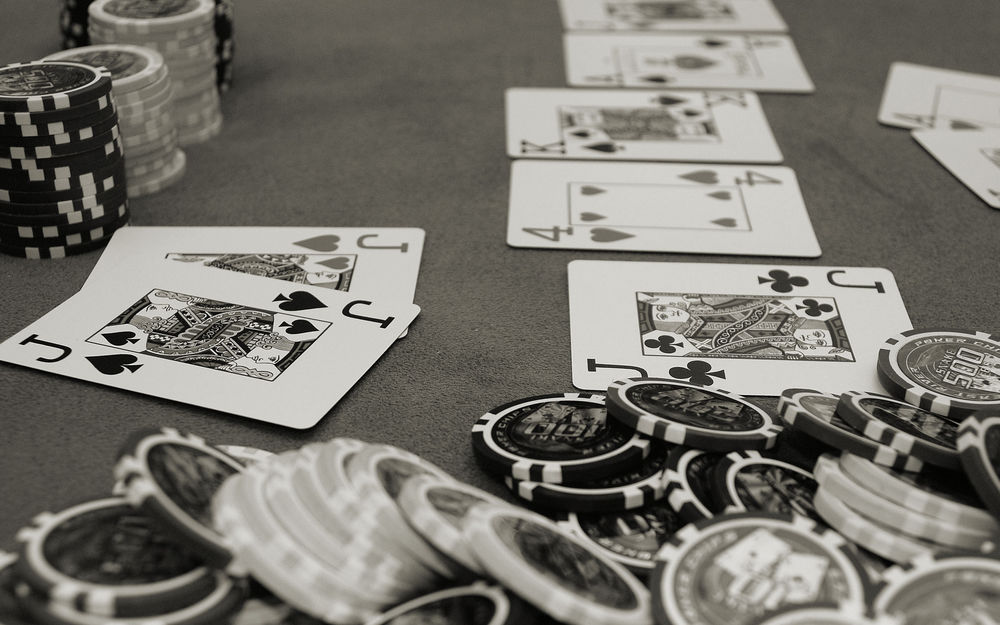
Furthermore, the environment in which these games are played significantly heightens their appeal. Casinos are designed with bright lights, vibrant colors, and stimulating sounds, all strategically placed to keep players engaged and excited. This sensory overload can create a euphoric atmosphere, drawing players into a world where time and reality seem to vanish. It’s a deliberate design that plays on our senses, making the activity not just about games of chance but a multi-dimensional experience that caters to our psychological needs for excitement and escape.
Social aspects also play a crucial role in the attraction to casino games. Many individuals enjoy the camaraderie built around gaming tables or slot machines. This social interaction creates a sense of community among players, allowing for shared experiences, stories, and competition. The thrill is amplified when shared with others, as players can celebrate wins or commiserate losses together. This shared experience, combined with the psychological highs and lows that gambling offers, forms a potent recipe that makes casino gaming an engaging pursuit for many.
The Role of Risk and Uncertainty
Risk and uncertainty are inherent components of casino games that can deeply influence player behavior. The unpredictable nature of gambling activates specific psychological mechanisms, particularly the desire for control over outcomes. Players often develop strategies or systems in an attempt to sway the odds in their favor, despite the randomness of these games. This quest for control can lead to cognitive biases, such as the illusion of skill, where players mistakenly believe they can influence the outcome of inherently chance-based games.
Moreover, the concept of loss aversion plays a pivotal role in how players respond to the highs and lows of gambling. Research indicates that people tend to feel the pain of losses more acutely than the pleasure derived from gains. This emotional response can lead to a cycle of chasing losses, where players continue to gamble in hopes of recovering what they’ve lost. Such behavior is often fueled by a combination of hope and desperation, creating a complex psychological landscape that can lead to significant financial and emotional consequences.
The environment of casinos also fosters a perception of risk that can skew judgment. For instance, players may overlook the house edge in favor of the excitement of potential winnings. This tendency to underestimate risks, combined with the thrill of uncertainty, can lead to impulsive decisions at the gaming tables. Understanding these psychological factors is crucial for both players and industry stakeholders, as they shape the gambling experience and influence behaviors on an individual level.
The Impact of Rewards and Reinforcements
Rewards and reinforcement play a fundamental role in the psychology of casino games. The concept of variable ratio reinforcement, where the rewards are unpredictable, is particularly effective in keeping players engaged. This unpredictability creates a compelling cycle of hope and anticipation, as players never know when they might hit a win. This psychological principle is akin to the mechanics behind slot machines, where sporadic payouts create a sense of excitement that reinforces continued play.
Additionally, the size of the reward can also tie into psychological perceptions of success. Smaller, frequent wins can bolster a player’s confidence and encourage them to play longer, as they equate these wins with skill or luck. In contrast, larger but rarer payouts can create a tantalizing dream, feeding into the fantasy of striking it rich. This dynamic often leads to a distorted perception of odds, as players can easily become trapped in the cycle of chasing bigger wins while disregarding the reality of losing more frequently.
The social reinforcement of gambling experiences is equally significant. Players often recount their winning experiences to friends and other players, thus reinforcing their gambling behaviors. This social storytelling can create a communal sense of success that further galvanizes participation in casino gaming. The combination of personal experiences and shared narratives cultivates an environment that normalizes and encourages continued gambling, illustrating the profound impact of psychological factors at play in the world of casinos.
The Psychological Effects of Losing and Winning
The emotional fallout from both winning and losing in casino games can be profound, shaping players’ behaviors long after they leave the gaming floor. Winning can generate a rush of euphoria, leading to feelings of invincibility and increased risk-taking in future bets. However, this can also lead to an overconfidence bias, where players misjudge their skills and overlook the inherent risks involved. The psychological impact of winning can create a feedback loop, pushing players to gamble more frequently in hopes of replicating their success.
Conversely, the emotional response to losing can be intense and multifaceted. For many, losses can lead to feelings of frustration, sadness, or even anger. This emotional turmoil can prompt players to engage in what is known as “tilt,” where they make impulsive decisions in an attempt to recover their losses. Such behavior can exacerbate the cycle of gambling addiction, highlighting the importance of understanding the psychological repercussions of both winning and losing within the casino environment.
Furthermore, various coping mechanisms come into play when individuals deal with their gambling experiences. While some may find healthy ways to manage their emotions, others may resort to unhealthy behaviors, such as increased gambling to cope with their feelings. This duality underscores the necessity of addressing the psychological components of gambling to create effective interventions for those who may struggle with problem gambling behavior, illustrating the critical need for awareness and education within the gambling space.
Understanding Responsible Gaming Practices
Responsible gaming practices are essential in mitigating the adverse psychological effects associated with gambling. Awareness and education about gambling risks can empower individuals to make informed decisions about their gaming behavior. This involves understanding personal limits and recognizing when gaming can turn from a recreational activity into a problematic behavior. Approaches to responsible gaming encourage players to set strict limits on time and money spent on gaming activities, fostering a healthier relationship with gambling.
Support systems, both personal and professional, play a critical role in promoting responsible gaming. Many casinos and gaming organizations have implemented programs to encourage responsible play, offering resources such as self-exclusion programs, counseling, and educational workshops. These initiatives aim to instill a culture of awareness and support around gambling, providing players with the tools they need to engage in casino activities safely.
Ultimately, understanding the psychology behind casino games is vital for both players and the industry. By prioritizing responsible gaming practices and fostering a community of support and education, the negative impacts of gambling can be mitigated, allowing individuals to enjoy the thrill of casino games without compromising their mental well-being. This proactive approach can contribute to a healthier gaming environment that recognizes and addresses the psychological complexities inherent in gambling.
