
Creating an online gambling account involves more than choosing a password and entering payment details. Identity checks, document handling, login recovery and account restrictions can all affect access to funds and personal information. For Canadian adults considering betya casino no deposit, the safest approach is to understand what verification may involve before submitting documents or attempting a withdrawal. This practical guide focuses on account security, privacy decisions and sensible checks rather than treating registration as a routine form-filling exercise.

Why verification may happen before a withdrawal
Know Your Customer, commonly called KYC, is the process used to confirm that an account belongs to the person operating it. An operator may request verification before the first withdrawal, after a transaction reaches a certain level or when an account review raises questions. This means a successful deposit does not necessarily prove that a later cashout will be released without further checks.
Typical requests can include a passport, driver’s licence or other government-issued photo identification. Proof of address may also be requested, such as a recent utility bill issued within the previous three months. Where a payment card is used, the operator may ask for evidence that the card belongs to the account holder. The exact combination depends on the account and the review being conducted.
Verification is not merely an inconvenience to work around. It can help reduce impersonation, payment fraud and the use of another person’s financial instrument. At the same time, users should not assume that every request received by email is genuine. A legitimate-looking message can still be part of a phishing attempt, so account holders should open the official site independently, review the account’s KYC area and contact support through a known channel if the request appears unusual.
Prepare documents without exposing unnecessary data
Document preparation is a balance between satisfying a reasonable identity request and limiting the personal information disclosed. Before uploading anything, check whether the document is current, readable and consistent with the name and address on the account. Blurry images, expired identification or an address that does not match the account can lead to delays and repeated requests.
Payment-card verification requires particular care. The supplied material states that a card copy should show only the first six and last four digits. The middle digits and security code should be concealed. Never send a card PIN, online-banking password or one-time authentication code as part of a KYC process. If instructions ask for more information than appears necessary, pause and confirm the requirement through the operator’s official support route.
Use a secure connection and a private device when submitting documents. Avoid public computers, shared photo libraries and unsecured Wi-Fi where possible. Keep a record of which documents were submitted and when, but do not retain unnecessary full-card images on a phone or cloud account. Canada’s official account-security guidance also recommends strong, unique credentials and additional protection for important online accounts, principles that apply to gambling accounts as well.
What to check before creating an account
Security begins before registration. First confirm that the service is available in your province and that you meet the relevant legal age requirement. The published material identifies an 18-plus minimum but also notes that provincial rules and local availability can differ. Do not treat a promotional page or a search result as proof that an account is suitable for your location.
Read the identity, payment and account-closure terms before entering personal information. Look for an explanation of when KYC can occur, which documents may be requested, how payment ownership is checked and what happens if an account is placed under review. You should also understand how to contact support, how complaints are handled and whether responsible-gambling controls can be activated without contacting an agent.
Choose account details carefully. Use an email address that you control and can access reliably, and create a password that is not reused on email, banking, shopping or social-media accounts. If a password manager is available to you, it can create and store a separate credential. Do not let another person register or fund the account on your behalf, since third-party funding can create ownership and verification problems later.
Secure login, recovery and payment access
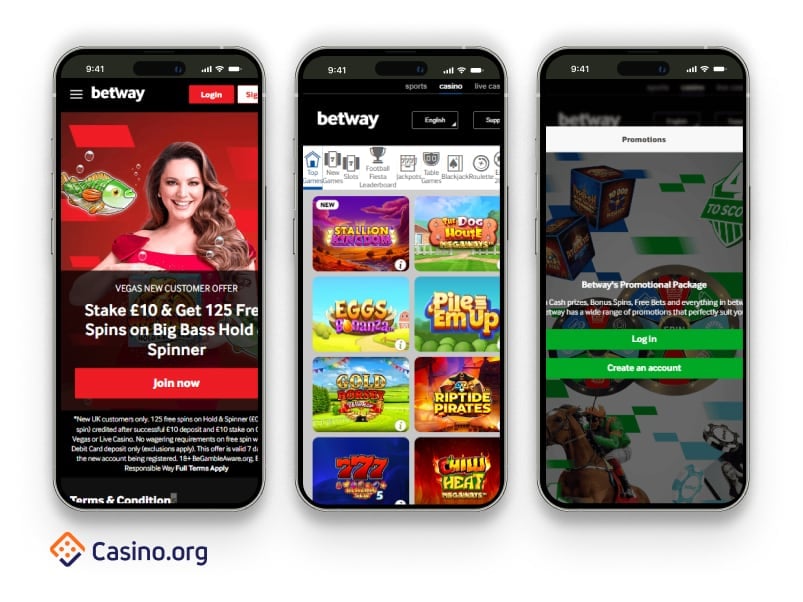
The same credentials may provide access to more than one part of a gambling platform, such as casino and sportsbook areas. That convenience increases the importance of protecting the login. Sign out on shared devices, keep the operating system and browser updated, and avoid saving credentials in a public or borrowed browser. Review account activity and transaction records regularly so unfamiliar changes are noticed quickly.
Password recovery deserves the same attention as the original login. A reset normally relies on the registered email address, so that mailbox should have its own strong, unique password and available security protections. Never share a reset link or verification code with someone claiming to be support. If the email address, password or account access is compromised, use the recovery function from the official login page and contact support through the established channel.
Payment security is part of account security, not a separate concern. Use only a payment method held in your own name and check the destination carefully before confirming a transaction. For digital assets, the network and asset must match the instructions shown in the cashier; a transfer sent incorrectly may not be recoverable. Keep receipts and confirmation messages, while remembering that transaction records do not replace identity verification.
Respond carefully when an account is restricted
An account can be active, under review, locked, restricted, suspended, dormant, closed or self-excluded. These labels do not all mean the same thing. A temporary lock may result from missing documents, unusual activity or a security concern, while self-exclusion is a deliberate gambling-control measure. Avoid opening a second account to bypass a restriction, as doing so can complicate ownership checks and any future resolution.
If access is limited, read the notice closely and submit only the requested information through the stated secure channel. Check that names, dates and addresses are consistent, and explain any legitimate discrepancy briefly. Keep copies of correspondence and note submission dates. Do not repeatedly send the same sensitive documents to different email addresses unless support has confirmed that each address is official.
Escalate unresolved issues in writing and ask for a clear explanation of the next step. The available material describes formal complaints by email, with acknowledgement within 48 hours and a target response within ten business days; these are stated service targets, not a guarantee of a particular outcome. If the issue concerns gambling harm rather than identity, use account limits, cooling-off, time-out or self-exclusion tools instead of trying to regain access immediately.
Questions about verification and account safety
Can verification be requested after a deposit?
Yes. Verification may occur before a first withdrawal, after a transaction reaches a review threshold or when account activity requires clarification. A completed deposit does not guarantee that a later cashout will proceed without identity, address or payment-ownership checks.
What should be hidden on a card copy?
The available requirements state that only the first six and last four card digits should remain visible. Conceal the middle digits and security code. Never provide a PIN, banking password or one-time authentication code as part of document verification.
What should I do if access is locked?
Use the official recovery route or established support channel, then follow the stated document instructions. Do not create another account or send sensitive files to unverified addresses. Keep records of submissions and request clarification if the restriction or required next step is unclear.