Exploring six popular gambling games A beginner's guide to understanding the odds
Understanding the Basics of Gambling
Gambling is an age-old activity that has evolved significantly over the years. At its core, it involves wagering money or valuables on an uncertain outcome, typically involving games of chance or skill. While many are drawn to the thrill of gambling, understanding the fundamental concepts is essential. Before diving into specific games, it’s crucial to grasp how odds work, as they dictate the probability of winning or losing. If you’re looking for an exciting option, you can explore the aviator game that combines chance with strategy.

Odds are essentially a numerical expression of the likelihood of a particular event occurring. In gambling, these odds can determine not only the payout but also the risk involved in each wager. For beginners, familiarizing oneself with the different types of odds—such as fractional, decimal, and moneyline—is vital. This knowledge will empower players to make informed decisions when placing bets and to recognize which games offer the most favorable odds.
As you embark on your gambling journey, remember that responsible gaming is paramount. Understanding your limits and knowing when to walk away can enhance your overall experience. With this foundational knowledge, you are now prepared to explore six popular gambling games, each with its unique appeal and odds structure.
Slot Machines: The Allure of Chance
Slot machines are perhaps the most iconic gambling games found in casinos worldwide. Their appeal lies in their simplicity and the thrill of potential big wins. Players insert coins or credits and spin the reels, hoping to match symbols across paylines. The odds in slot machines are generally determined by the Random Number Generator (RNG), which ensures that each spin is independent of the last.
Understanding the odds in slot machines can be complex, as it often involves payout percentages. Known as Return to Player (RTP), this percentage indicates how much a machine will pay back over time. For example, a slot with an RTP of 95% will return, on average, $95 for every $100 wagered. While this figure gives a general idea of potential returns, it doesn’t guarantee individual outcomes, making slots a game of chance.
Despite their randomness, some players employ strategies such as choosing machines with higher RTPs or betting max coins for better payouts. However, it’s essential to remember that no strategy can overcome the house edge. Ultimately, enjoyment should be the primary goal, as the excitement of spinning the reels can lead to thrilling experiences, regardless of the outcome.
Blackjack: Skill Meets Strategy
Blackjack stands out among gambling games as one that combines luck with strategic decision-making. The goal is to beat the dealer’s hand without exceeding a total of 21. With its straightforward rules, beginners can quickly learn to play while also developing strategies to improve their odds. One popular strategy involves knowing when to hit, stand, double down, or split, all of which can influence the game’s outcome.
The odds in blackjack can vary based on the number of decks in play and the specific rules of the table. For example, games that allow players to double down after splitting generally offer better odds. Additionally, learning basic blackjack strategy can reduce the house edge to as low as 0.5%, significantly improving a player’s chances of winning over time.
Another important aspect to consider is the concept of card counting. While not illegal, it requires intense concentration and a good memory, making it difficult for most casual players. Even so, mastering basic strategy combined with a keen understanding of the odds can help you make more informed decisions, ultimately leading to more favorable results in this classic game.
Poker: The Game of Skill and Bluffs
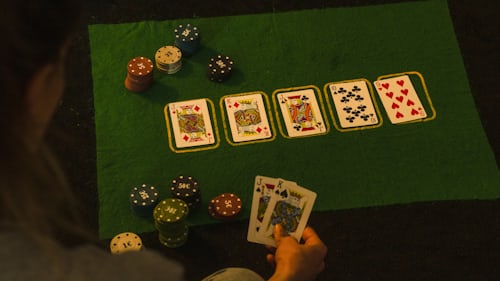
Poker is a game that has captivated millions around the globe, thanks to its blend of skill, strategy, and psychology. Unlike many other gambling games, poker pits players against one another instead of against the house, which means that understanding the odds becomes crucial for success. Players must analyze their hand, assess opponents, and determine the best course of action based on the probabilities involved.
The odds in poker can be calculated using various methods, including pot odds and implied odds. Pot odds help players determine whether a call is profitable based on the current size of the pot and the bet they must call. Implied odds take future bets into account, allowing players to assess potential winnings should they complete their hand. Mastering these concepts can provide a significant edge over less experienced opponents.
Moreover, understanding the different variations of poker, such as Texas Hold’em or Omaha, can also influence your strategy. Each version has its own set of rules and odds. Practicing patience and reading your opponents effectively can elevate your poker game, turning it from a simple wager into a strategic battle of wits, where the most skilled players often come out on top.
Roulette: The Spin of the Wheel
Roulette is a popular casino game characterized by its iconic spinning wheel and the thrill of betting on various outcomes. Players place wagers on where they believe a ball will land, with options including specific numbers, colors, or sections of the wheel. The odds in roulette can vary significantly based on the type of bet placed, making it essential to understand these variations for effective gameplay.
In American roulette, the presence of both a 0 and 00 increases the house edge to about 5.26%. In contrast, European roulette features only a single 0, lowering the house edge to approximately 2.7%. Knowing which version to play can greatly impact your chances of winning. Bets can be categorized into inside bets, which offer higher payouts but lower odds, and outside bets, which provide better odds but lower payouts.
Despite its reliance on chance, some players develop strategies, such as the Martingale system, where they double their bets after losses. However, while this may provide temporary wins, it does not change the underlying odds of the game. As with many gambling games, understanding the odds in roulette enhances the experience and allows players to make more informed bets while enjoying the suspense of the spinning wheel.
Your Guide to Responsible Gaming and Resources
As you venture into the world of gambling, it’s essential to prioritize responsible gaming. Recognizing the signs of problem gambling and knowing when to take a break are crucial for a positive experience. Setting limits on time and money can help prevent excessive gambling, ensuring that it remains an enjoyable activity rather than a source of stress.
For those seeking guidance, various resources are available to promote healthy gambling habits. Many casinos and online platforms offer tools that allow players to set deposit limits, self-exclude, or access support services if needed. Staying informed about the risks associated with gambling can empower players to make choices that align with their entertainment goals.
Exploring different games and understanding the odds associated with each can significantly enhance your gambling experience. Whether you prefer the simplicity of slots, the strategy of blackjack, or the thrill of poker and roulette, the key is to enjoy the journey while remaining mindful of responsible gaming practices. As you embark on this exciting adventure, find platforms that offer not only entertainment but also support for responsible gambling, ensuring a balanced and enjoyable experience.